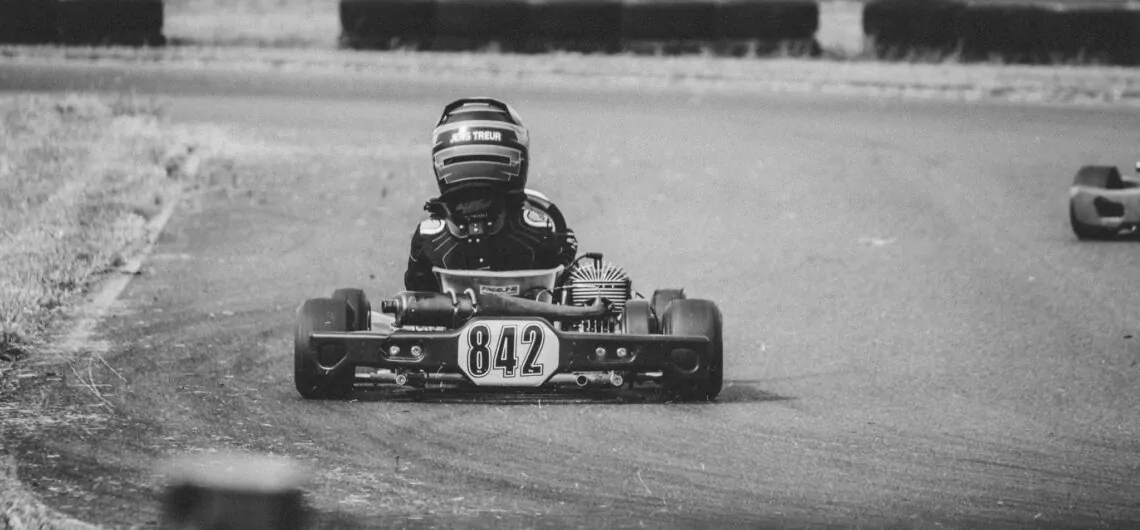
January is all about making and breaking those New Year’s resolutions. We've already broken the diet and waved goodbye to our well-intentioned 'dry January' (well whose silly idea was that anyway!!) But one resolution for 2014 that we are hell-bent on keeping is to have an action-packed year full of even bigger and even better activities for our Barcelona Tours chums. We are set to make 2014 the year of adventure, action and adrenaline, and boy have we got just the line-up for you. So hold on to your helmets and get ready to see Barcelona as your action-packed playground for the year ahead. Barcelona-By-Bike Forget seeing the city from the top of a tourist bus, dust off those skin-tight lycra cycling shorts and prepare to see the city from a completely unique perspective. Our bike tour will take you on a journey of the city with a difference, offering panoramic views and stunning scenery. If you're not already breathless from the 20km cycle down the peaceful Collserola mountain range, wait till you see the views, they can't fail to take your breath away. Catalonia Adventures Ever heard of Puenting? Well neither had we until recently, but it's all the rage and is currently taking the adventure scene by storm, with Catalunya offering some world-class locations for this adrenaline-packed sport. It's similar to bungee jumping but instead of bouncing it's all about swinging. Puenting was an activity originally used for rock climbers to help them overcome their fear of falling. Today it is a major sport for adrenaline seekers looking for their next thrill. The insanely brave can try falling backwards, this offers the ultimate adrenaline rush due to the fact that you can't see where you're going. Tried and tested, and guaranteed to leave you buzzing for hours. Canyoning
January is all about making and breaking those New Year’s resolutions. We’ve already broken the diet and waved goodbye to our well-intentioned ‘dry January’ (well whose silly idea was that anyway!!) But one resolution for 2014 that we are hell-bent on keeping is to have an action-packed year full of even bigger and even better